
Description
Enhance Your Projects with the Rain Drop Sensor – Accurate, Reliable & Affordable
- Introduction to Rain Drop Sensor
- How Does the Rain Drop Sensor Work?
- Applications of the Rain Drop Sensor
- Rain Drop Sensor Features
- How to Use the Rain Drop Sensor in Projects
- Where to Buy a Quality Rain Drop Sensor
- Conclusion
Introduction to Rain Drop Sensor
The Rain Drop Sensor is an essential component for anyone looking to create weather-based projects, automate systems, or enhance IoT setups. It is designed to detect raindrops and can be integrated into various electronics projects, such as automatic wipers, weather stations, and smart irrigation systems. Whether you’re an electronics hobbyist, a student working on a final year project, or a professional developer, this versatile sensor is the perfect addition to your toolkit.
How Does the Rain Drop Sensor Work?
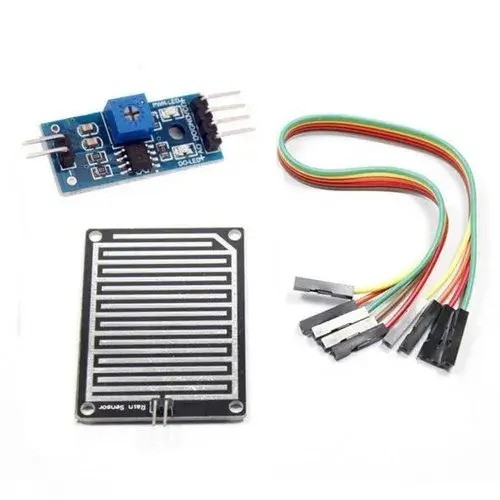
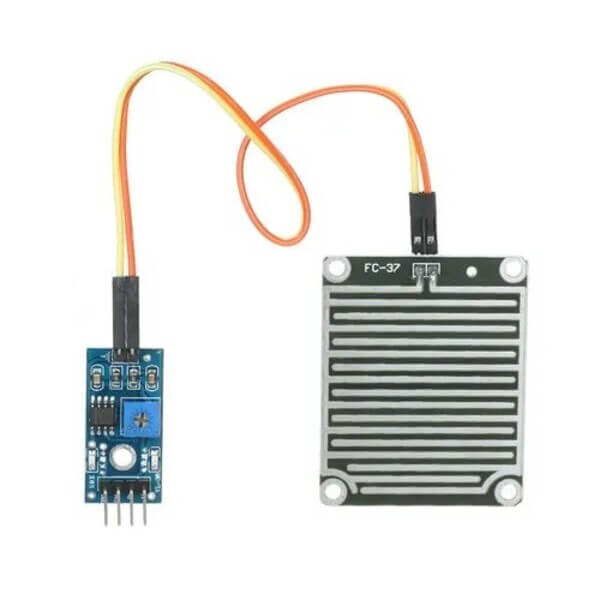
The Rain Drop Sensor operates using a combination of a sensor board and a control module. The sensor board is a series of exposed copper traces that form a grid. When raindrops fall on this grid, they create a conductive path, which alters the sensor’s resistance. The control module then reads these changes in resistance and outputs a digital or analog signal, which can be processed by a microcontroller like Arduino, ESP-32, or Raspberry Pi.
Key Components of the Rain Drop Sensor:
- Sensor Board: Detects rain based on conductivity.
- Control Module: Converts resistance data into usable signals.
- Output Interface: Provides both digital and analog outputs for flexible integration.
Applications of the Rain Drop Sensor
The Rain Drop Sensor has a wide range of practical applications. Below are some key examples where it can be utilized effectively:
1. Weather Monitoring Systems
Integrating the sensor into a weather station can provide real-time rain data, helping in local weather forecasting or automated alerts.
2. Smart Irrigation Systems
This sensor can be used to automate irrigation based on rainfall detection, ensuring that plants receive optimal water while preventing overwatering.
3. Home Automation
In home automation projects, the Rain Drop Sensor can trigger window closures or initiate protective measures for outdoor furniture and electronics.
4. Automatic Windshield Wipers
This sensor is commonly used in automobiles for activating windshield wipers automatically when rain is detected.
5. IoT Projects
In IoT applications, the sensor can be paired with platforms like Blynk or MQTT to monitor rainfall remotely and take necessary actions based on data.
Rain Drop Sensor Features
The Rain Drop Sensor is packed with features that make it a top choice for various applications:
- High Sensitivity: Detects even light rain with precision.
- Adjustable Sensitivity: Fine-tune the sensor’s detection level for different environments.
- Compact and Lightweight: Easy to install and integrate into any project.
- Digital and Analog Outputs: Provides flexibility in data processing.
- Long Life and Durability: Designed to withstand moisture and corrosion for prolonged use.
How to Use the Rain Drop Sensor in Projects
Using the Rain Drop Sensor in your projects is simple and straightforward. Here’s a quick guide:
- Wiring and Setup: Connect the sensor’s output pins to your microcontroller. The digital output is useful for on/off detection, while the analog output gives precise data on the intensity of the rainfall.
- Programming: Use platforms like Arduino IDE to code your project. You can easily set thresholds for triggering actions like turning on an alarm, closing windows, or sending notifications.
- Calibration: Adjust the sensor’s sensitivity using the onboard potentiometer to get the best results for your specific environment.
- Integration with IoT Platforms: Link the sensor to IoT platforms for remote monitoring and automated responses.
Where to Buy a Quality Rain Drop Sensor
You can purchase a reliable Rain Drop Sensor from trusted electronics suppliers and online stores. Here are a few recommended sources:
Make sure to choose a sensor that is compatible with your microcontroller and offers the necessary features for your project.
Conclusion
The Rain Drop Sensor is an indispensable tool for any electronics enthusiast or professional looking to create innovative and automated solutions. From home automation to advanced IoT applications, this sensor opens up endless possibilities. Its accuracy, ease of use, and versatile functionality make it a go-to component for weather-based and smart projects.


Reviews
There are no reviews yet.