
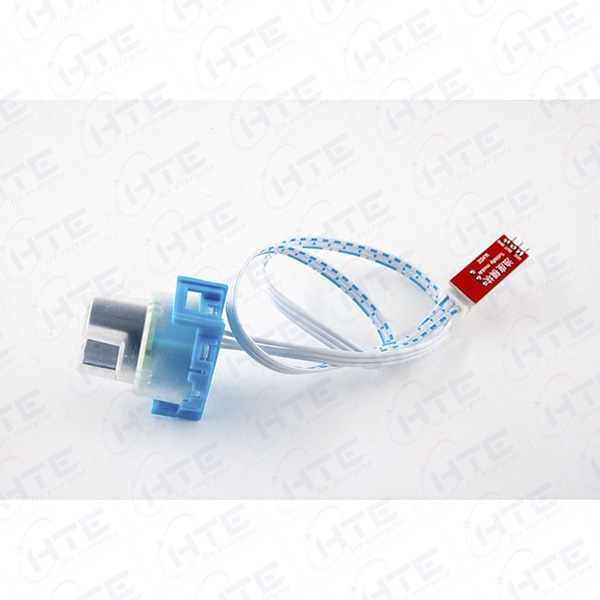
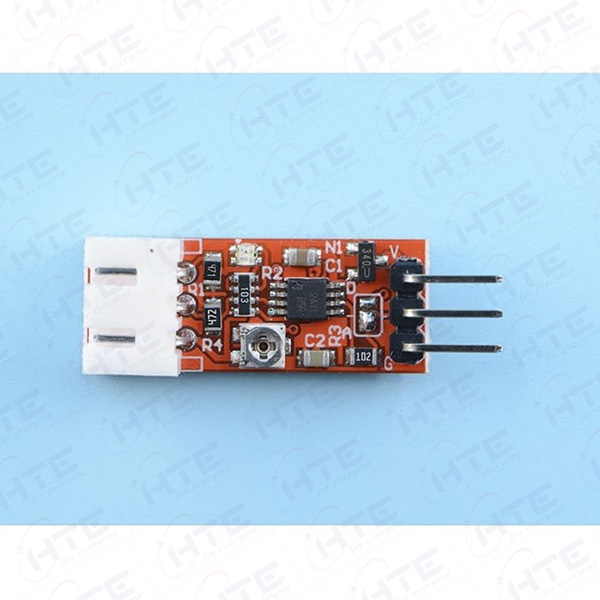
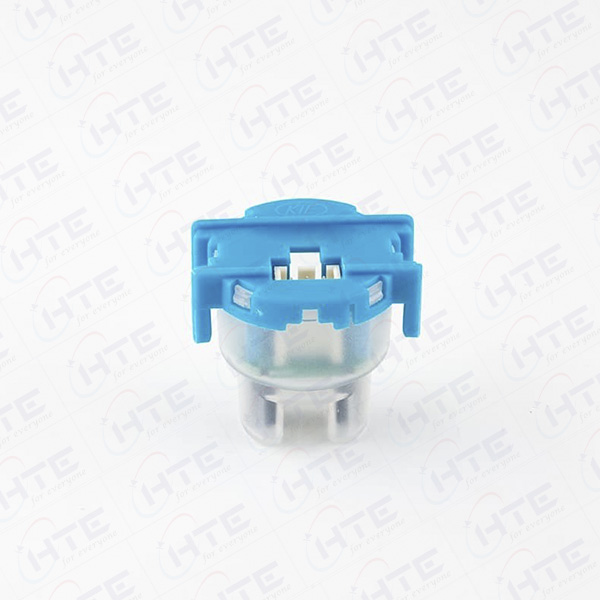
Description
Top-Rated Turbidity Sensor for Accurate Water Quality Monitoring | Buy Now
- Introduction to Turbidity Sensors
- Why Choose Our Turbidity Sensor?
- Key Features of Our Turbidity Sensor
- Applications of Turbidity Sensors
- How to Use a Turbidity Sensor
- Customer Reviews
- Why Water Quality Monitoring Matters
- Comparison with Other Turbidity Sensors
- FAQs About Turbidity Sensors
- Buy Your Turbidity Sensor Today
Introduction to Turbidity Sensors
When it comes to monitoring water quality, a turbidity sensor is an essential tool. Whether you’re managing environmental projects, conducting industrial operations, or engaging in research, accurate turbidity measurements are crucial. Our top-rated turbidity sensor provides the reliability and precision you need for effective water quality monitoring.
Why Choose Our Turbidity Sensor?
Choosing the right turbidity sensor is critical for ensuring accurate and consistent readings. Our turbidity sensor stands out for its advanced technology, durability, and ease of use. With a commitment to quality, our sensor is designed to provide accurate readings in various water conditions, making it ideal for diverse applications.
Key Features of Our Turbidity Sensor
- High Precision: Delivers accurate readings with minimal deviation, ensuring reliable data for analysis.
- Durable Build: Designed to withstand harsh environments, our turbidity sensor is perfect for fieldwork.
- Easy Integration: Compatible with a wide range of monitoring systems, allowing for seamless integration into your existing setup.
- User-Friendly Interface: Simplifies operation with intuitive controls and clear displays.
- Low Maintenance: Engineered to require minimal maintenance, reducing downtime and operational costs.
Applications of Turbidity Sensors
Turbidity sensors are used in a variety of applications, including:
- Environmental Monitoring: Track water clarity in lakes, rivers, and oceans to assess ecosystem health.
- Industrial Processes: Monitor water quality in manufacturing, power plants, and wastewater treatment facilities.
- Research and Education: Use in laboratories and educational institutions for scientific studies and experiments.
- Aquaculture: Ensure the safety and health of aquatic life by monitoring water quality in fish farms.
How to Use a Turbidity Sensor
Using a turbidity sensor is straightforward, but following the proper steps ensures the most accurate results:
- Calibration: Start by calibrating the sensor according to the manufacturer’s instructions.
- Placement: Place the sensor in the water at the desired depth, avoiding areas with excessive air bubbles or debris.
- Monitoring: Allow the sensor to stabilize before taking readings. Record the data at regular intervals for consistent monitoring.
- Maintenance: Clean the sensor regularly to prevent fouling, which can affect accuracy.
Customer Reviews
Our customers have consistently praised the turbidity sensor for its reliability and performance:
- “This turbidity sensor has transformed our water monitoring processes. It’s accurate and easy to use.” – John D.
- “We rely on this sensor for all our environmental projects. It’s durable and delivers precise readings every time.” – Sarah L.
Why Water Quality Monitoring Matters
Water quality monitoring is vital for maintaining healthy ecosystems and ensuring safe water for industrial and domestic use. Turbidity is a key indicator of water quality, as high turbidity levels can signal pollution or other issues. By using a turbidity sensor, you can detect these changes early and take corrective action, protecting both the environment and public health.
Comparison with Other Turbidity Sensors
When compared to other sensors on the market, our turbidity sensor offers:
- Better Accuracy: Higher precision in a wider range of conditions.
- Greater Durability: Long-lasting materials that stand up to tough environments.
- Enhanced Compatibility: Works seamlessly with more monitoring systems.
FAQs About Turbidity Sensors
Q: How often should I calibrate my turbidity sensor?
A: It’s recommended to calibrate your sensor before each use for the most accurate readings.
Q: Can the sensor be used in saltwater?
A: Yes, our turbidity sensor is designed to function in both freshwater and saltwater environments.
Q: What is the lifespan of the sensor?
A: With proper maintenance, our turbidity sensor can last several years.
Buy Your Turbidity Sensor Today
Don’t compromise on water quality monitoring. Purchase our turbidity sensor today and experience the difference in accuracy and reliability. Click here to buy now!
Internal Links:
External Links:

Reviews
There are no reviews yet.